
Urban planning is the branch of
architecture dealing with the design and organization of urban space and
activities, including the physical arrangement of the cities and the condition
they are in. Cities have employed planners to lay out their infrastructures for
years and, like many professions, urban planning has developed over time to
reflect the changes in our society and our planet.
Historically, urban planning was primarily
concerned with the placement of certain things near other things (i.e. a waste
treatment plant should be far away from an elementary school, but a park could
be nearby). As the awareness of climate change has grown, and a general shift
has been made to a more eco-friendly way of life, urban planning can now take
sustainability to heart and begin building greenest cities from the ground up.
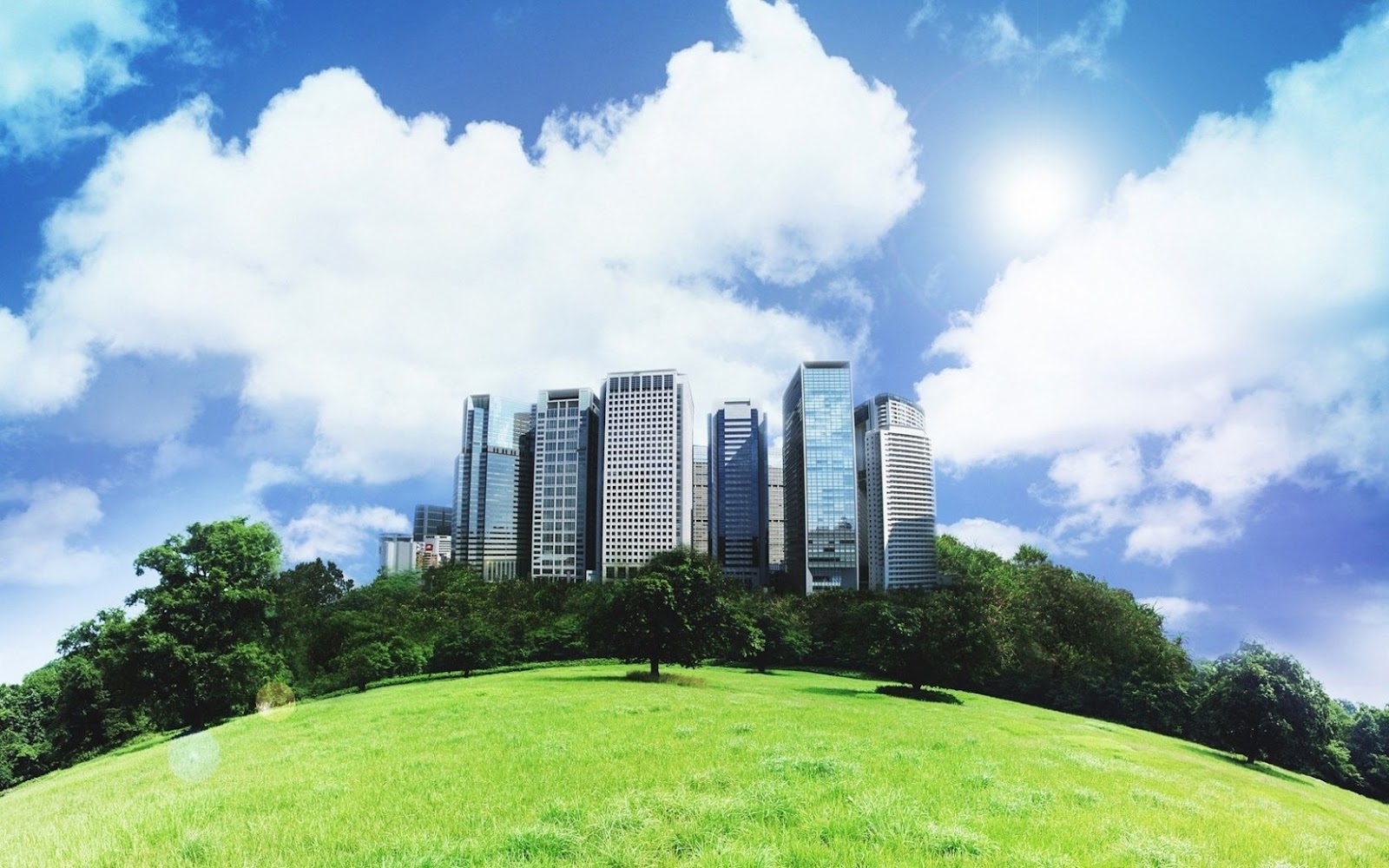
How can a city "Go Green"?
These days it’s hard to say exactly what
makes a city “green”. As creativity and innovation thrive, new and better ways
to live environmentally friendly are constantly being revealed. Any step in the
right direction is a good one and, lucky for us, there are many ways for our
cities to show their green sides.
Clearing
the clutter
Urban sprawl is the uncontrolled spread of
urban development into neighboring areas; much like organizing your closet or
defragmenting your computer, putting stuff where it belongs can greatly
increase the available space you have by maximizing the space you use. Urban
planning that reduces sprawl is considered green because it increases the
density of city infrastructure and fits the same amount of “city” into a
smaller area. Cutting back sprawl can positively impact a city’s sustainability
in a number of ways:

Wildlife
Refuges
 When a city is compact, land that would
have otherwise been used by sprawl is left in a more natural state. This provides opportunities for wildlife
habitat and also acts as a reserve for native plant species. Available wildlife habitat keeps wildlife and
humans both safer, and interactions to a minimum. The forests and vegetation that grow on this
land will also act as a natural water filtration system and a carbon sink.
When a city is compact, land that would
have otherwise been used by sprawl is left in a more natural state. This provides opportunities for wildlife
habitat and also acts as a reserve for native plant species. Available wildlife habitat keeps wildlife and
humans both safer, and interactions to a minimum. The forests and vegetation that grow on this
land will also act as a natural water filtration system and a carbon sink.
The
city of Seattle, Washington comprises over 54,000 acres of land; of this, more than 6,000 acres is green space. The city’s Urban Wildlife and Habitat Management Plan lays out guidelines for
managing land such that crucial wildlife habitat is left undisturbed. Land that is considered to be of particular
importance for wildlife is acquired by the city to prevent its development, and
green spaces are linked whenever possible.
Food
Security
In addition to threatening natural
ecosystems, urban sprawl threatens farmland. As the need for growth in the city centre pushes the city limits
outwards, productive farmland is bought up and developed for other uses. This increases a city’s dependence on food
grown out of town or overseas. When food
isn’t grown locally, it requires large input of energy (usually in the form of
fossil fuels) to transport it to where it will be consumed.
To help protect farmland, the Town of Oliver , BC, collaborated with Land and Water
BC to create the Wine Village
and Kettle Valley

Fossil
Fuel Use
 It’s not just food that uses up fossil
fuels to get around! When a city begins
to sprawl, opportunities to take alternate forms of transportation begin to
diminish. People become reliant on their
cars to get around, since walking, cycling, or public transit are often no
longer viable options. Air quality
suffers, as does the health of the individual who is now hopping in their car
instead of hopping on their bike.
It’s not just food that uses up fossil
fuels to get around! When a city begins
to sprawl, opportunities to take alternate forms of transportation begin to
diminish. People become reliant on their
cars to get around, since walking, cycling, or public transit are often no
longer viable options. Air quality
suffers, as does the health of the individual who is now hopping in their car
instead of hopping on their bike.
BedZED, short for Beddington Zero Energy
Development, is a multi-use planned community in London , England
Affordability
Another unfortunate, and probably less
thought-of, effect of urban sprawl is its effect on our pocket book. Whenever new housing developments or
commercial properties are built, the infrastructures to support them need to
follow. Tax payers end up footing the
bill for extra roads, sewers, water, and electric that wouldn’t be necessary in
a more compact city layout.
In Vancouver ,
BC Vancouver
Where
to start?
For the city that’s ready to make the first
step, there are many resources available to help. British
Columbia
What can I do?
There are lots of things you can do to help
your community reach its green goals!
Contribute
to infilling
Infilling is the process of increasing the
density of a city by replacing or adding to existing developments. Infilling reduces urban sprawl and helps to
prevent habitat loss and unnecessary infrastructure. You can help in a couple of ways:
- Consider a dwelling in a multi-family development, such as a condominium or a town-home.
- Give tiny houses a chance! In areas where lane-way houses are allowed, consider downsizing your life and living in a tiny house or a small house. Seven hundred and fifty square feet may seem small, but a tiny house done right can pack a lot of house into a little space. Check out the Tumbleweed Tiny House Company to see floor layouts of dwellings under 900 square feet.

Make
yourself more food-secure
Food security is a term that’s used when
talking about how stable our food supply is. When food is shipped in from overseas, it is not a secure food system.
Something like a fuel shortage or a political disagreement can disrupt shipment
and leave us hungry. To help make
yourself more food secure, try some of these ideas:
- Support local farmers. Farmers markets are a great place to buy produce, and they’re a lot of fun, too. Supporting our local farmers ensures they are there when we need them.
- Grow your own food if it’s possible. Find a community garden, or dig a plot in your backyard. Even a container on your patio helps a little. Looking for more space to grow or have space to spare? Maybe a yard-sharing program is for you. Yard sharing programs connect people who need space and people who have unused property. In Metro Vancouver, you can check out Sharing Backyards.
Plan your commute
- Live as close to work as you can. If you can walk or cycle to work, you are not using any fossil fuels. You’ll find you also free up all sorts of time if your commute is suddenly cut in half.
- Use public transit if you can
- Is there an option for you to telecommute? Take it whenever possible, even if it’s only one day a week, every little bit helps.
- If you can’t manage without your car, carpool! If it’s an option for you, you could also consider vehicles that use alternate forms of energy, such as natural gas or electricity.
Most importantly, get involved! It’s your community, make it into what you want it to be. Stakeholders of the Resort Municipality of Whistler, BC, together with municipal staff, created a document they called the Whistler Environmental Strategy (WES). While the Municipal Council didn’t endorse the project, the resulting document has still influenced the decision-making process within the municipality. Several areas of environmental concern outlined in the WES have been further investigated and included in budgets and plans. Your voice can only be heard if you say something.


